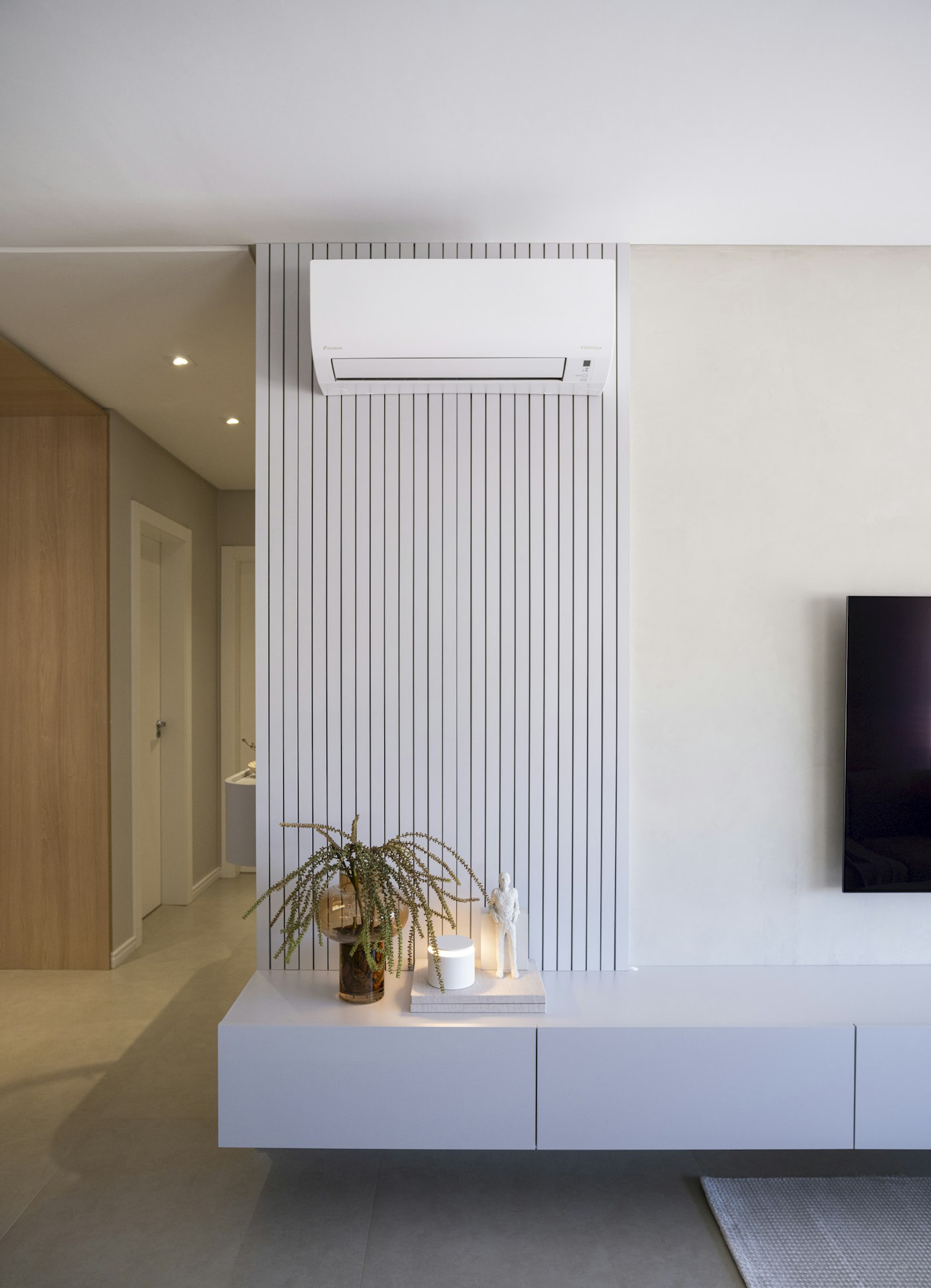
Mini Split Installation in Seattle: Everything Homeowners Need to Know
Mini split heat pumps have gone from a niche product to one of the most requested home upgrades we handle across Seattle and the Eastside. And for good reason — they heat, they cool, they're efficient, and they go in fast. But with so many brands, system sizes, and installation approaches out there, it can be hard to know where to start.
This guide covers everything: what mini splits actually are, how to size one for your home, what they cost, which brands we trust, and what the installation day actually looks like.
What you'll learn in this guide:
- ✅ How mini splits work and why they suit Seattle homes
- ✅ Single-zone vs. multi-zone — which is right for you
- ✅ Real cost ranges for the Seattle market
- ✅ Brands we recommend and why
- ✅ What installation day looks like — start to finish
- ✅ Rebates available for Puget Sound homeowners
What Is a Mini Split, Exactly?
A mini split (also called a ductless heat pump) is a heating and cooling system that consists of two parts: an outdoor compressor unit and one or more indoor air handlers mounted on the wall. There are no ducts involved — refrigerant lines run through a small hole in the wall connecting the two units.
Because there's no ductwork, there's no energy lost in transit. The system delivers conditioned air directly into the room it serves, which is why mini splits are consistently more efficient than central systems. And because each indoor unit operates independently, you get true room-by-room control — heat the bedroom without heating the living room, or vice versa.
Single-Zone vs. Multi-Zone: Which Do You Need?
This is the first decision most homeowners face, and the answer usually comes down to what problem you're trying to solve.
Single-Zone Systems
One outdoor unit connected to one indoor unit. Best for:
- That one room that never gets comfortable — too hot in summer, too cold in winter
- A home office, bonus room, or garage that isn't served by your existing HVAC
- An ADU or addition where running ductwork isn't practical
- Homeowners who want to test the waters before committing to whole-home coverage
Multi-Zone Systems
One outdoor unit connected to two, three, or four indoor units. Best for:
- Two-story homes where upstairs bedrooms overheat in summer
- Whole-home heating and cooling without existing ductwork
- Split-level homes where temperature management is a constant challenge
💡 Most of our customers start with a single-zone system for their biggest problem room — and come back for more within a year once they see how well it works.
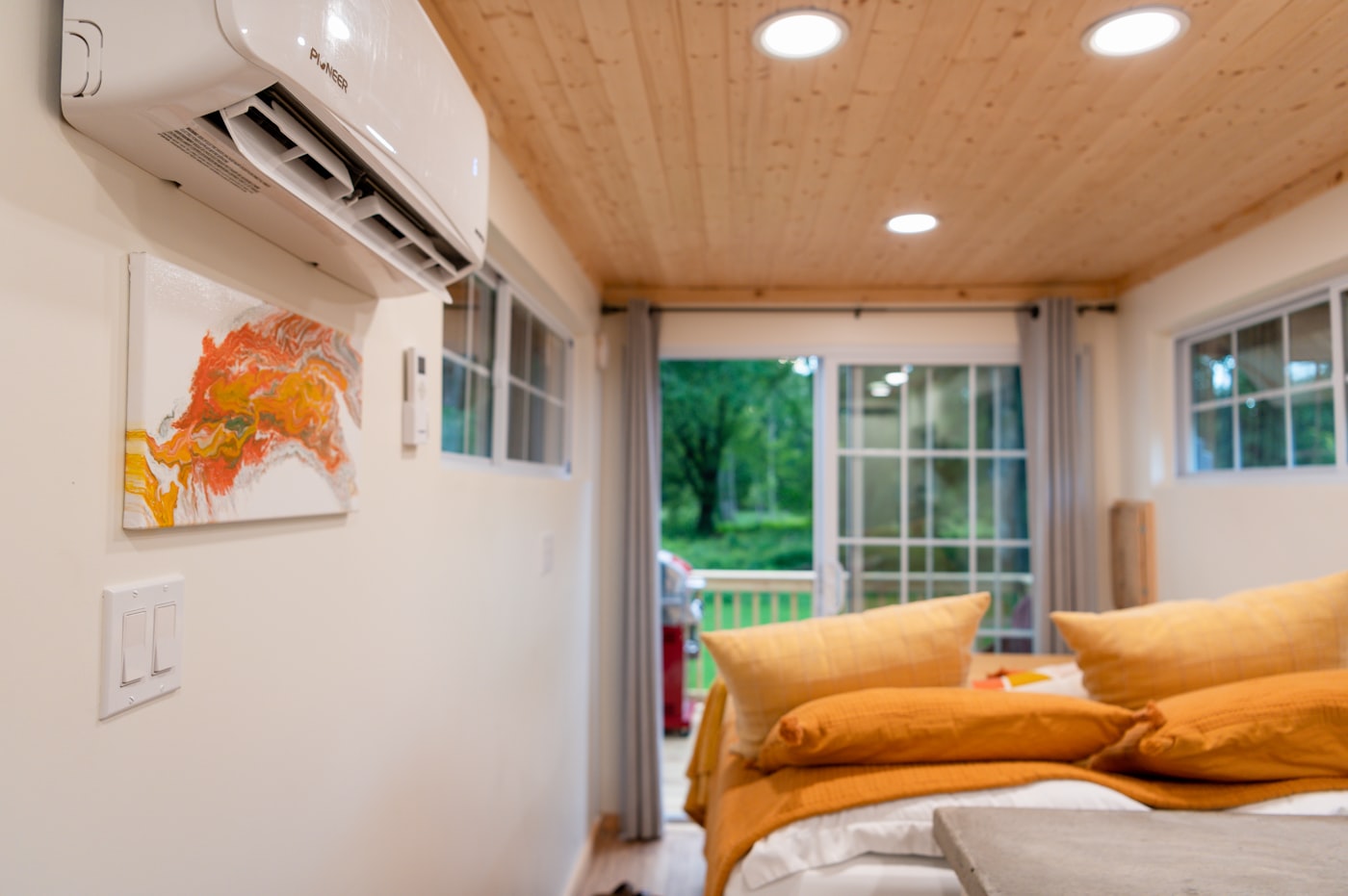
A single-zone unit in a bedroom — the most common first install we see.
What Does Mini Split Installation Cost in Seattle?
Pricing varies based on system size, number of zones, brand, and the complexity of the installation. Here's what we typically see in the Seattle and Eastside market:
| System Type | Typical Installed Cost |
|---|---|
| Single-zone (1 room) | $3,500 – $5,500 |
| 2-zone system | $6,500 – $11,000 |
| 3-zone system | $10,000 – $16,000 |
| 4-zone system | $14,000 – $20,000 |
These are all-in prices: equipment, labor, permits, and startup. No hidden fees. The range within each tier depends mainly on the brand, BTU capacity, and whether the installation involves any unusual access challenges (like running lines through finished walls or multi-story exteriors).
Brands We Trust — and Why
Not all mini splits are created equal. We've installed a lot of brands over the years and have settled on a few that consistently deliver on reliability, warranty support, and efficiency ratings.
Mitsubishi Electric
The benchmark for quality in the industry. Mitsubishi's Hyper-Heat line operates efficiently down to -13°F, which is far beyond what Seattle winters ever throw at us. Their indoor units are whisper quiet, their controls are intuitive, and their warranty support is excellent. Our first recommendation for homeowners who want the best.
LG
A strong value choice with solid efficiency ratings and a wide range of BTU options. LG systems are well-suited for Seattle's climate and tend to have lower upfront costs than Mitsubishi while still delivering reliable long-term performance.
Pioneer
A budget-friendly option that works well for single-zone installs where cost is the primary concern. Pioneer won't match Mitsubishi on efficiency or noise levels, but for a garage, workshop, or guest room, it gets the job done at a price that's hard to argue with.
What Installation Day Actually Looks Like
This is the part that surprises most homeowners: mini split installation is fast, clean, and minimally disruptive. Here's the typical sequence:
-
1
Outdoor unit & line set — We mount the condenser on the exterior and run refrigerant lines, electrical, and condensate drain through a small hole in the wall. On most homes, this is entirely outside.
-
2
Indoor unit & electrical — The air handler mounts high on an interior wall and connects to a dedicated 240V circuit at your panel. Each indoor unit takes about 30–45 minutes.
-
3
Startup & walkthrough — We charge the refrigerant, test both heating and cooling, and walk you through the controls before we leave.
A single-zone system typically takes 4–6 hours from start to finish. A 3-zone system might take a full day. Either way, you're sleeping in a climate-controlled home that same night.
90% of the work is outside
Most homeowners are surprised to learn how little disruption happens inside their home. The bulk of the installation — the condenser, the line set, the electrical run — happens on the exterior. We're in and out of your living space for the indoor unit, and that typically takes under an hour per room.
Rebates Available for Seattle Homeowners
Installing a qualifying heat pump can make you eligible for significant rebates from your utility provider:
- Puget Sound Energy (PSE): Up to $1,500 per heat pump unit for qualifying systems
- Seattle City Light: Up to $1,500 per unit depending on system efficiency
- Federal Tax Credit: 30% of equipment cost under the Inflation Reduction Act (consult your tax advisor)
We help our customers identify and apply for all applicable rebates as part of every installation. It's not complicated — we handle the paperwork — but the savings are real.
💡 Rebate availability changes seasonally. Ask us about current programs when you book your estimate — some have annual caps that fill up early in the year.
Is a Mini Split Right for Your Home?
In our experience, the answer is yes for the vast majority of Seattle-area homes. If you have a room that doesn't feel right, a multi-story layout that central AC can't solve, or an older home without ductwork — a mini split will solve the problem cleanly, efficiently, and permanently.
If you already have good central ductwork and only need cooling for a single-story home, a central cooling coil addition might be more cost-effective. We'll tell you honestly either way — we're not here to sell a system you don't need.
Get a Free In-Home Assessment
We'll look at your home, talk through your goals, and give you an honest recommendation with a clear, itemized quote. No pressure, no commitment.
Learn More & Request a Quote →